Explore Top Quality Tents
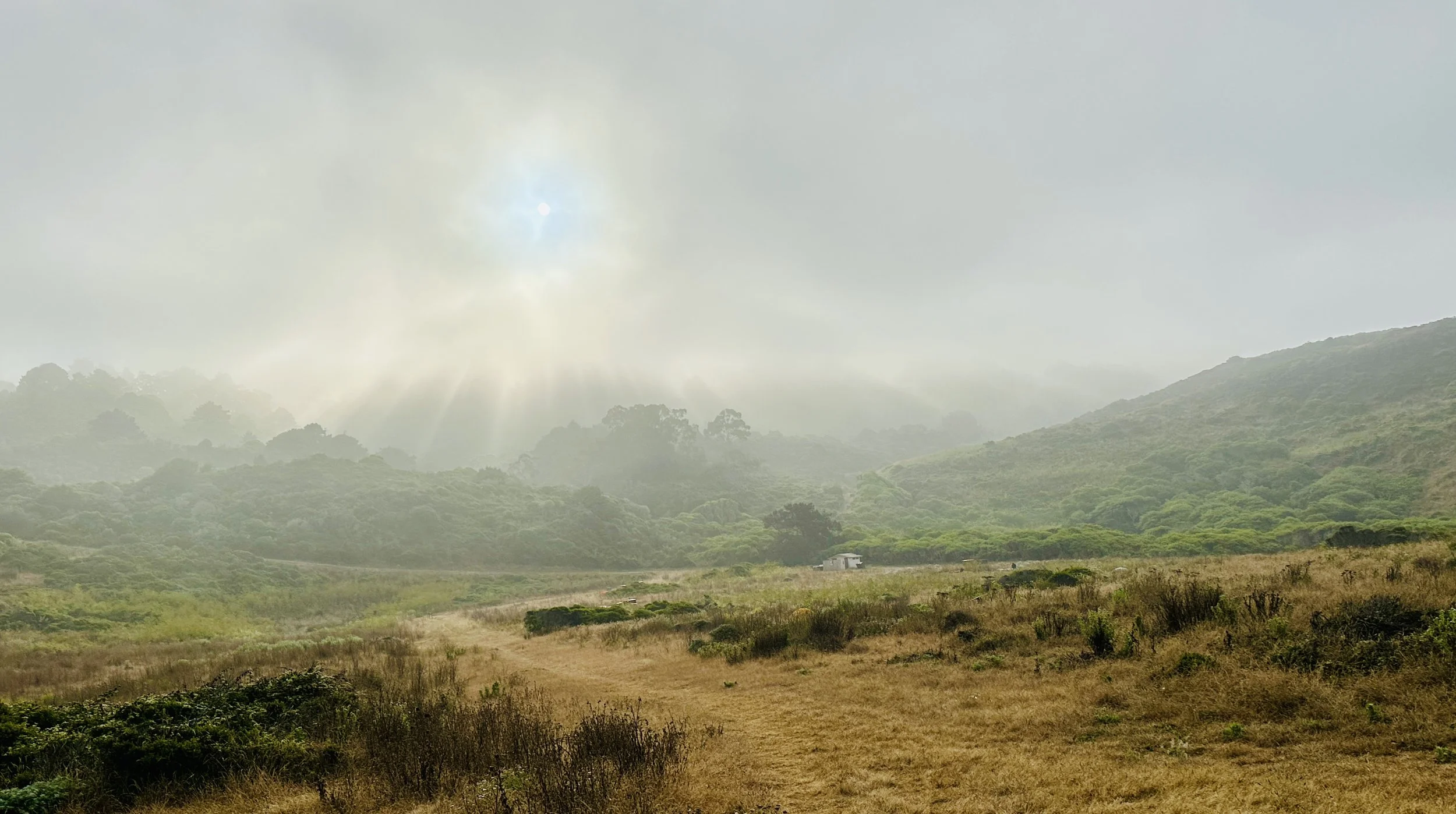
Compare tent specs in the table below
| Product | Packed Weight (lbs) | Packed Size (in) | Floor Area (sq ft) | Freestanding | Doors | Capacity | Season | MSRP |
|---|---|---|---|---|---|---|---|---|
| Big Agnes Copper Spur UL2 | 3 | 19.5 x 4 | 29 | Yes | 2 | 2 | 3 | $549.95 |
| NEMO Hornet OSMO 2P | 2.5 | 12.5 x 7.5 x 3.5 | 24.2 | Semi-Free | 2 | 2 | 3 | $449.95 |
| NEMO Dagger OSMO 2P | 3.9 | 20.0 x 6.5 x 3.5 | 30.6 | Yes | 2 | 2 | 3 | $549.95 |
| Kelty Late Start 2P | 4.8 | 16 x 6.5 | 30.6 | Yes | 1 | 2 | 3 | $159.95 |
| MSR Hubba Hubba LT 2P | 3.4 | 22 x 5.5 | 32 | Yes | 2 | 2 | 3 | $549.95 |
| REI Co-op Trailmade 2 | 6.3 | 18 x 8 | 31.8 | Yes | 2 | 2 | 3 | $199.00 |
| REI Co-op Half Dome 2 | 5.9 | 22 x 7.3 | 31.8 | Yes | 2 | 2 | 3 | $329.00 |
| Naturehike Cloud Up UL 2 | 2.7 | 15.8 x 5.1 | 26.5 | Yes | 1 | 2 | 3 | $199.00 |
| Big Agnes Fly Creek UL2 | 2.3 | 19 x 6 | 28 | Semi-Free | 1 | 2 | 3 | $399.95 |
Anything catch your eye?
Click on the item below to get the full deets.
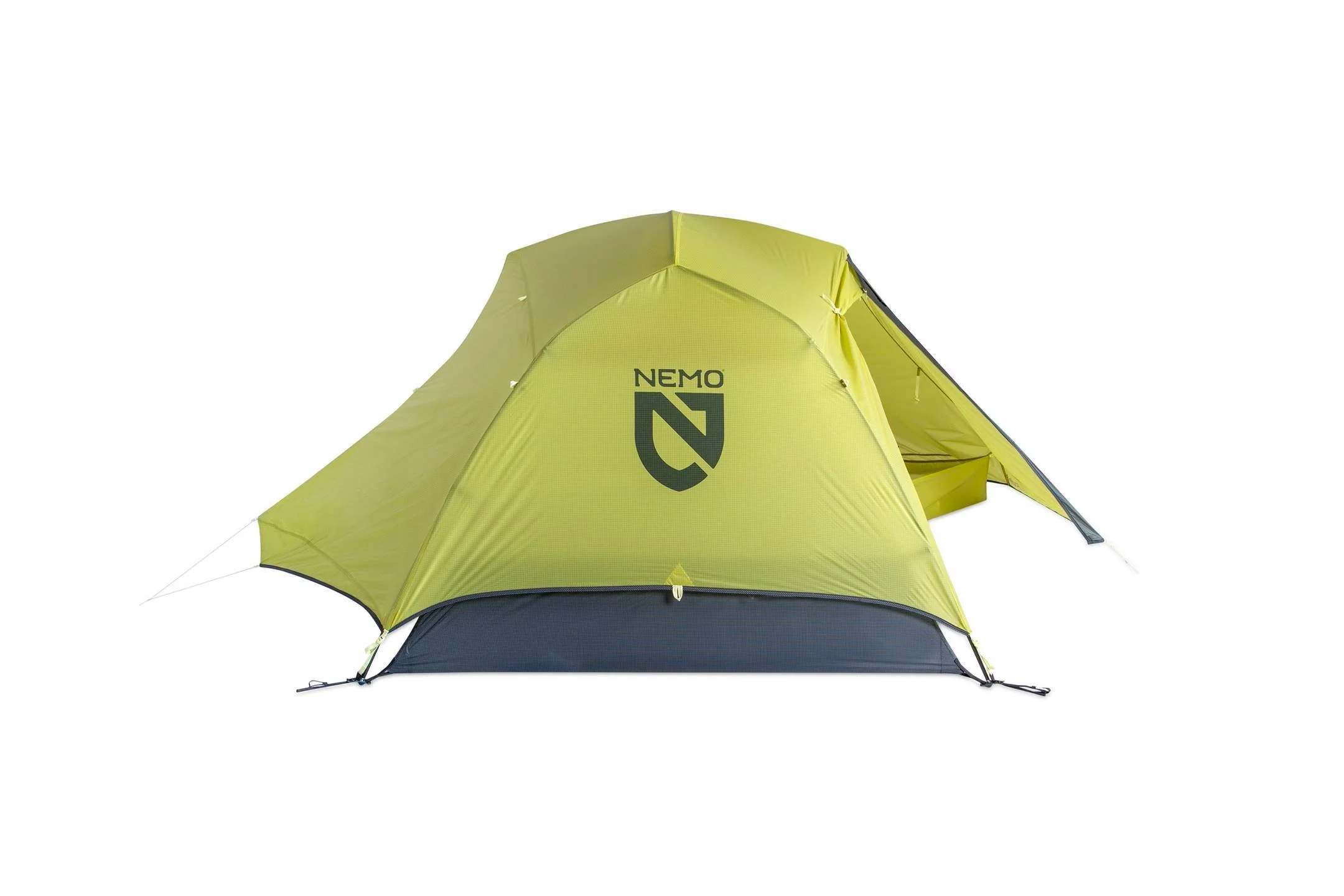
3 lbs 15 oz | $550

2 lbs 4 oz | $400
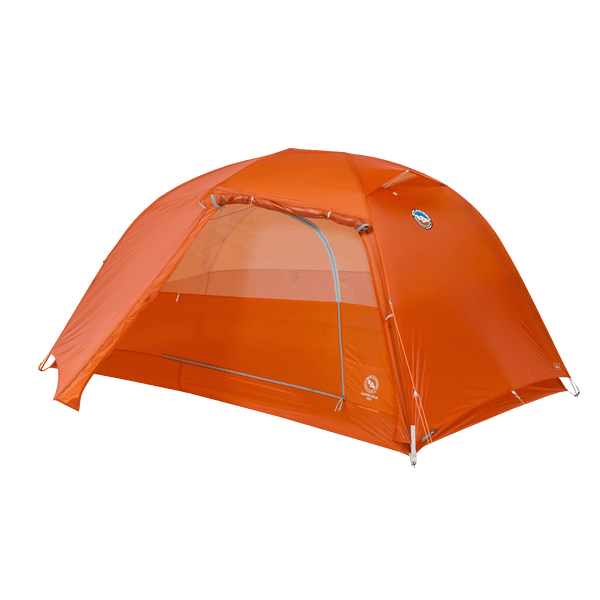
3 lbs | $550
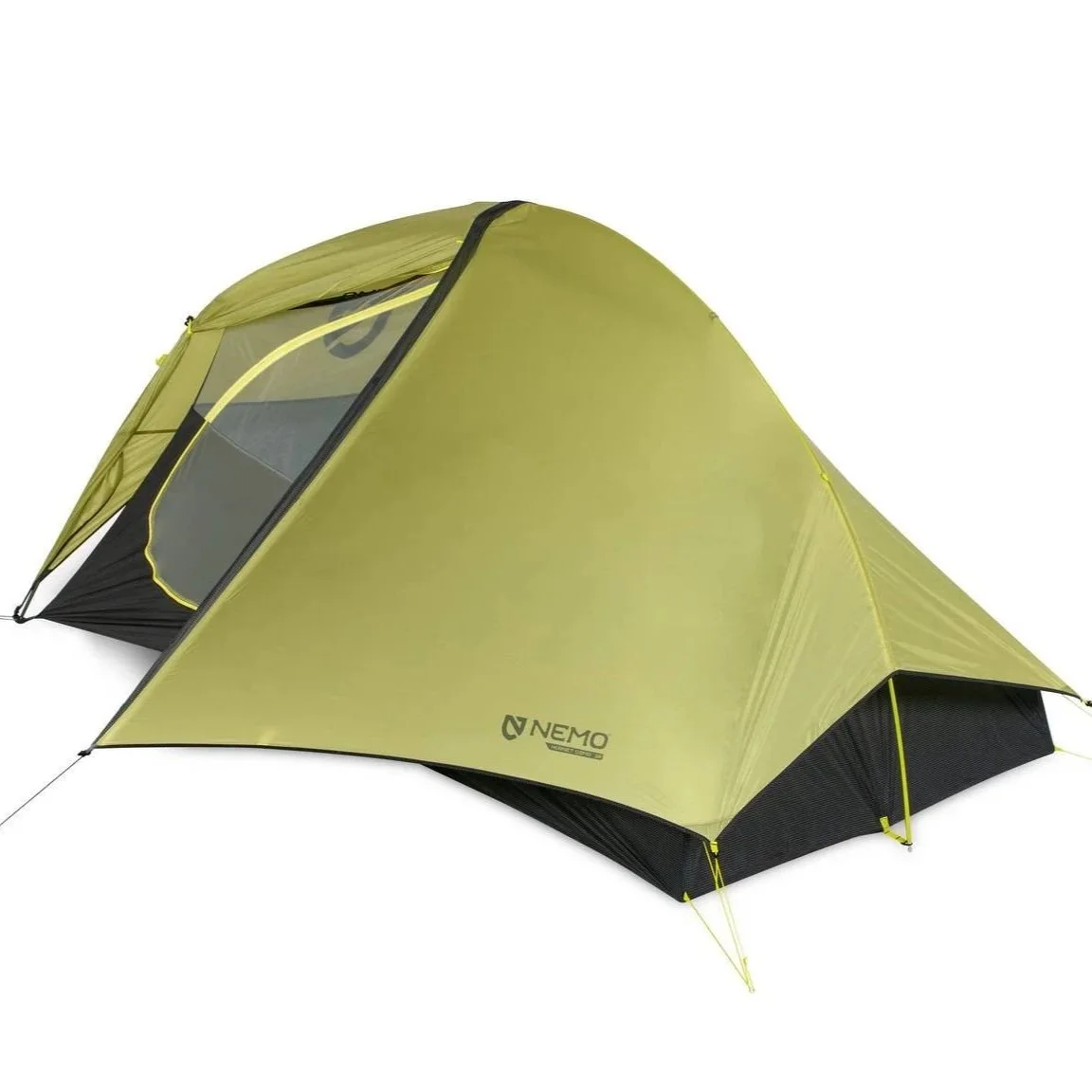
2 lbs 8 oz | $450
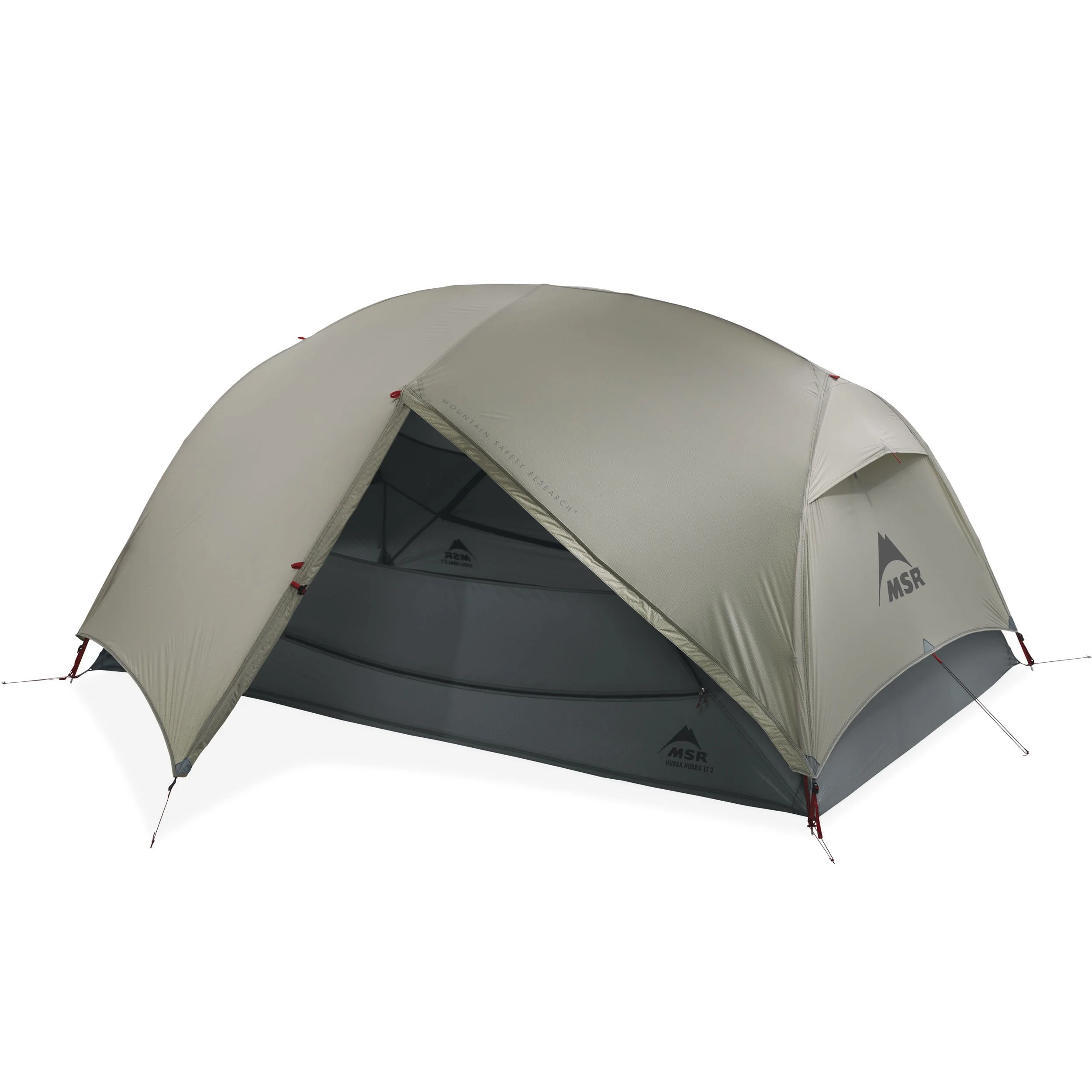
3 lbs 6 oz | $550
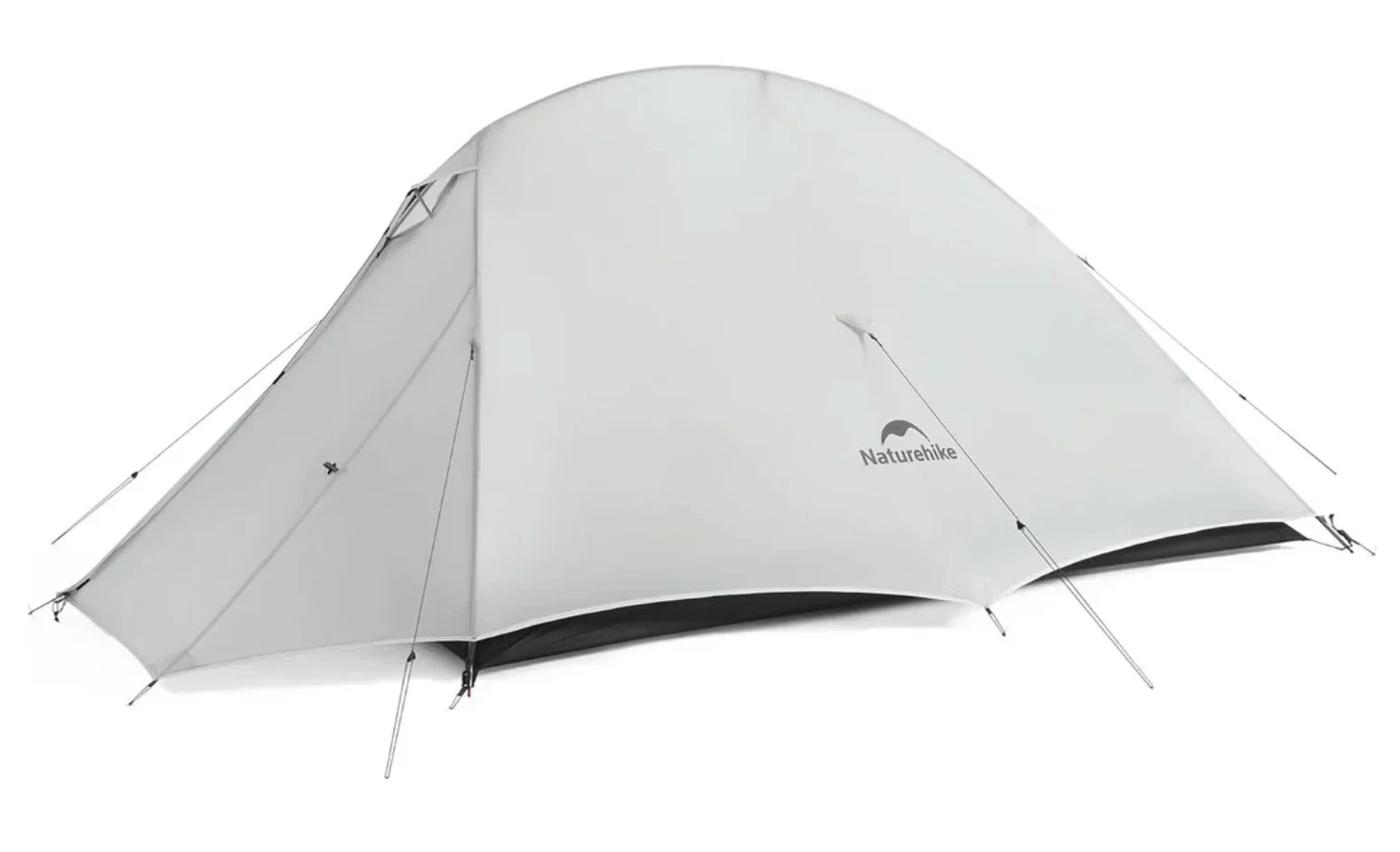
2 lbs 11 oz | $199
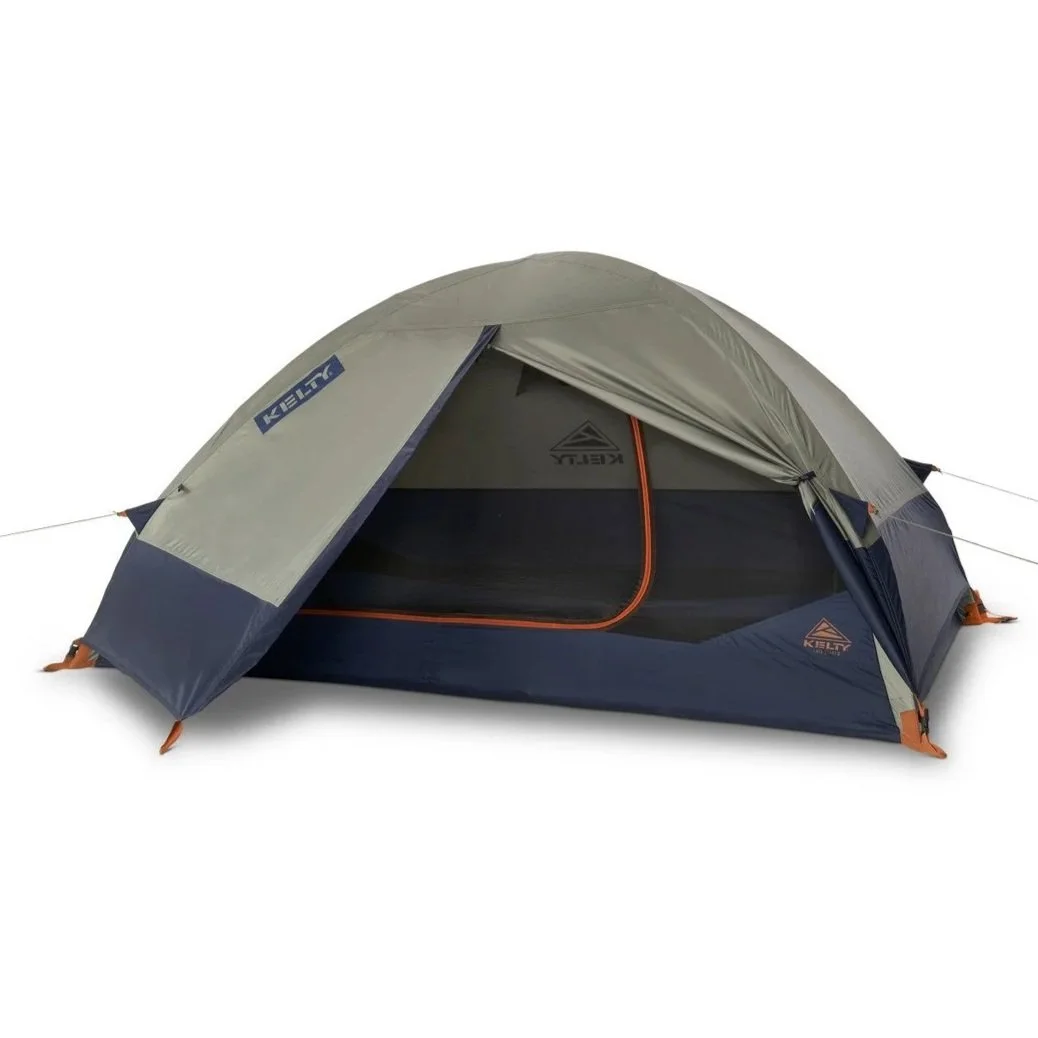
4 lbs 12 oz | $160
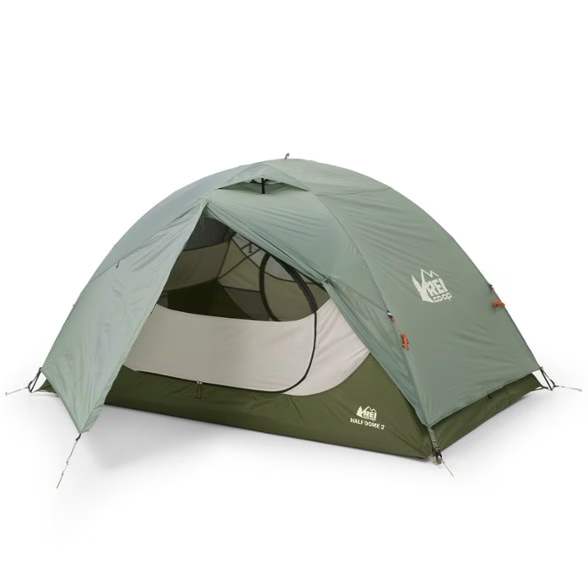
5 lbs 15 oz | $329
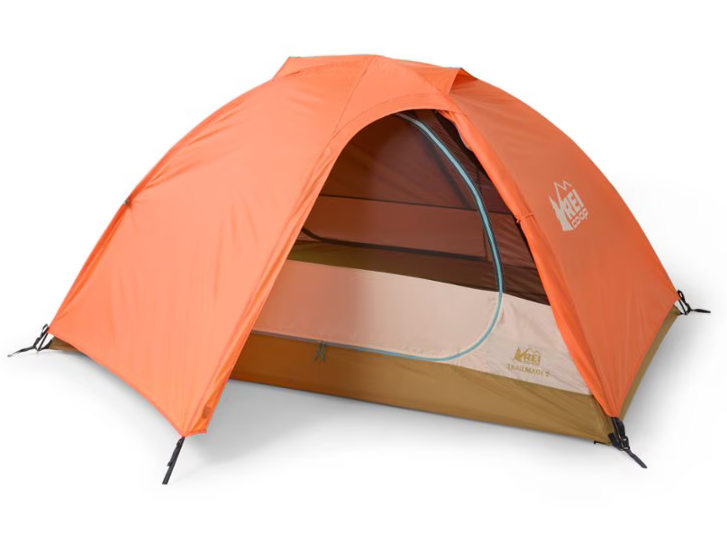
6 lbs 4 oz | $199
How We Evaluate Tent Specs
When rating tent specifications, it’s important to recognize that all scoring criteria are inherently subjective. Benchmarks help create consistency and comparisons, but no single rating system can account for every backpacker’s body type, experience level, or personal preferences. What feels cramped to one person may feel perfectly adequate to another. Likewise, weight, space, and usability tradeoffs mean different things depending on trip length, terrain, and comfort priorities. These ratings are designed to provide context and awareness, not definitive answers. The goal is to highlight where tradeoffs exist and why they matter. Expect that all tents will inherently excel in certain conditions and compromises in others, especially when factoring in cost. The most important step is evaluating how each spec aligns with what you’re looking for. Use ratings as a tool not a verdict.
Maybe most importantly, a lower rating for a specification doesn’t necessarily indicate something is bad, it may be very intentional and for good reason, but the rating is intended to serve as a flag to make sure that you won’t be surprised when you put it to use. For example, a tent that requires poles to pitch isn’t a bad thing by any means, that is unless you’re not familiar with a trekking pole tent and don’t hike with poles…
Check out our criteria for tent specs below!
-
This score reflects the tent’s total packed weight as specified by the manufacturer. Weight matters here because your shelter is one of the largest contributors to overall pack weight. Relatively small differences here can compound quickly over long miles and multi-day trips. Also when comparing tents, a pound difference may seem insignificant, however trimming down that pound with your other gear may actually be challenging and/or expensive.
A heavier tent may still excel in weather protection, interior space, or durability. Likewise, a lighter tent may score lower in those areas depending on design.
By scoring tent weight independently, we aim to help you understand how a shelter fits into your overall gear system, without oversimplifying the decision.
High Score: 3 lbs or Less
Tents with a packed weight of 3 pounds or less receive our highest tent weight score.
This category represents highly efficient shelter design, offering meaningful weight savings without sacrificing core functionality. For many backpackers, tents in this range help reduce fatigue while still providing reliable weather protection. If you’re looking to shed pack weight, this is a great place to make an upgrade.
Tents under 3 lb are especially well-suited for:
Long-distance or high-mileage trips
Weight-conscious backpackers
Well-optimized gear systems
If you’re looking to shed pack weight, or add a key piece of gear to building a lightweight/ultralight setup, this is a great place to start.
Medium Score: 3–5 lbs
Tents weighing between 3 and 5 pounds receive a medium weight score.
This range includes many durable, comfortable, and well-proven designs. While heavier than ultralight options, these tents often provide added interior space, durability, or ease of use (i.e. freestanding).
For many backpackers, 3–5 lb tents strike a reasonable balance between:
Comfort and livability
Durability and weight savings
Simplicity and performance
From a pure weight perspective, however, they are less optimized, which is why they score in the middle.
Low Score: Over 5 lbs
Tents with a packed weight over 5 pounds receive our lowest tent weight score.
At this weight, the shelter becomes a significant contributor to total carried weight, especially on longer trips. While these tents may offer excellent comfort, durability, or storm-worthiness, the weight penalty is meaningful for most backpackers.
Heavier tents can still make sense for:
Short trips
Car-accessible or basecamp-style backpacking
Users prioritizing durability over efficiency
But for typical backpacking scenarios, the tradeoff is substantial, resulting in a lower weight score.
-
This score reflects the tent’s intended occupancy as rated by the manufacturer, not how creative you are with gear placement or how tolerant you are of tight quarters. The goal is to evaluate livability and flexibility, not just whether a tent technically fits a person inside.
A tent with a medium capacity score may still rank highly in weight, weather protection, or packed size. Likewise, a higher-capacity tent may score lower in other areas.
High Score: Tents Rated for 2+ People
Tents with a rated capacity of two or more people receive our highest capacity score.
Even when used solo, 2-person tents offer meaningful advantages and are very common for single occupancy:
More interior space for gear storage
Easier entry, exit, and movement
Better comfort during bad weather or longer trips
For most backpackers, a 2-person tent provides a better balance of livability and versatility, whether you’re sharing the tent or simply want extra room.
Because this added space improves real-world usability without necessarily adding much weight, these tents earn the highest capacity score.
Medium Score: 1-Person Tents
Tents rated for one person receive a medium capacity score.
One-person tents are often excellent choices, they can save weight, reduce pack volume, and work perfectly well for solo backpackers. However, they typically offer limited interior space, which can feel restrictive depending on body size, gear volume, or weather conditions.
Common tradeoffs include:
Tight gear storage
Limited room to sit up or move around
Reduced comfort during storms or extended tent time
For these reasons, 1-person tents score slightly lower on capacity. Not because they’re inferior, but because they offer less margin for comfort and flexibility.
Low Score: We don’t have one
We do not assign a low capacity score for tents.
A well-designed 1-person tent can be highly functional, comfortable, and efficient when used as intended. Capacity is about space and livability, not build quality or performance.
Our scoring reflects this nuance by distinguishing between:
More flexible and forgiving designs (2+ person tents)
More space-efficient but tighter designs (1-person tents)
Both can be excellent choices depending on your priorities.
-
Scores here reflect the tent’s total usable floor area as specified by the manufacturer. Floor area is one of the clearest indicators of interior livability… how much room you actually have to move, organize gear, and ride out bad weather if needed. However, when evaluating Floor Area, also consider peak height and design (for instance how vertical the walls are) to get a good idea of how spacious the tent will feel.
A tent with a low floor area score may still excel in weight, weather protection, or packed size. Likewise, a larger tent may score lower in other categories.
High Score: 28 sq ft or More
Tents with 28 square feet or more of floor area receive our highest floor area score.
At this size, tents provide a noticeable increase in interior comfort and flexibility. Whether used solo or shared, this amount of space reduces crowding and makes everyday tasks inside the tent easier.
Tents in this range typically offer:
More room to sit up and move around
Better space for organizing gear inside the tent
Less contact with tent walls, which helps manage condensation
Improved comfort during storms or longer tent time
Because this space meaningfully improves livability, these tents earn the highest score for floor area.
Medium Score: 22–28 sq ft
Tents with 22–28 square feet of floor area receive a medium score.
This range represents a functional and efficient interior space for backpacking. These tents are generally comfortable enough for sleeping and basic movement, while still prioritizing packability and weight savings.
However, interior space can feel more constrained depending on:
Body size
Gear volume
Time spent inside the tent
Design starts to become more impactful in this category - the wall pitch may make a significant difference in comfort. For this reason, tents in this category score in the middle for floor area awareness.
Low Score: Under 22 sq ft
Tents with under 22 square feet of floor area receive our lowest floor area score.
These designs are typically optimized for minimal weight and packed size. While they can work very well for experienced backpackers or short trips, the limited space leaves little margin for comfort.
Common tradeoffs include:
Tight sleeping quarters
Limited room for gear inside the tent
Reduced comfort during extended bad weather
Because of these constraints, tents in this range score lowest on floor area. This isn’t necessarily a critique, but more as a clear signal of reduced interior livability and a reminder to consider the design, quality and compromise.
-
This score reflects how much independent structural support the tent provides without relying on stakes, poles, or guylines. The design affects ease of setup, site flexibility, and how forgiving a tent is across different terrain types. This is meant to reflect usability and versatility, not to evaluate performance or weather protection.
A low freestanding score does not mean a tent performs poorly, it simply indicates that setup requires more planning and experience. Likewise, a high freestanding score may come with weight tradeoffs.
High Score: Fully Freestanding Tents
Fully freestanding tents receive our highest freestanding score.
These tents maintain their shape and interior volume without requiring stakes, which makes them especially easy to pitch and reposition. This design is highly forgiving when campsite options are limited or when terrain makes staking difficult, but it is also inherently a more challenging design to make ultralight due to material needs.
Freestanding tents offer:
Easier and faster setup
Greater flexibility in campsite selection
The ability to move the tent after pitching
Reliable structure on rock, sand, snow, or hard-packed ground
If you frequently backpack in areas where staking can be difficult or value a quick and easy pitch, a fully freestanding tent offers a meaningful usability advantage. Because of their versatility and ease of use, fully freestanding tents earn the highest score for this parameter.
Medium Score: Semi-Freestanding Tents
Semi-freestanding tents receive a medium freestanding score.
These tents can stand upright without full staking but require at least one or two stakes to achieve proper floor shape or maximum interior space. They often balance reduced weight with reasonable setup flexibility.
Semi-freestanding designs:
Are generally easier to pitch than non-freestanding tents
Still require some staking for optimal performance
Offer a compromise between weight savings and usability
This design works well for backpackers who value weight savings but still want a tent that’s relatively forgiving and quick to pitch.
If you regularly encounter mixed terrain or don’t mind a small amount of setup involvement, semi-freestanding tents often represent one of the best all-around compromises in backpacking shelter design.
Because they rely partially on stakes but remain relatively forgiving, they score in the middle.
Low Score: Non-Freestanding Tents
Non-freestanding tents receive our lowest freestanding score.
These tents rely on stakes, trekking poles, or guylines to maintain structure. While often very weight-efficient and capable in experienced hands, they require more attention to site selection and setup. This category includes some of the best tents, but should be selected carefully based on user comfort and experience.
Common considerations include:
Limited ability to pitch on hard or rocky ground
Less flexibility to reposition once set up
Greater reliance on proper staking and tensioning
Because these designs are less forgiving and demand more from the user, they score lowest for freestanding awareness, even though they may excel in weight, packability, or weather performance.A low freestanding score does not mean a tent performs poorly, it simply indicates that setup requires more planning and experience.
-
This score here reflects how tall the tent is at its highest point. Peak height plays a major role in overall tent comfort, especially in lightweight and ultralight designs where interior volume is carefully balanced against weight.
Peak height should always be considered alongside floor area and overall tent design/geometry. A higher peak height can significantly improve livability, particularly in trekking-pole tents, but it may matter less if your priority is minimizing weight or if you rarely spend time in your tent beyond sleeping.
A tent with a low peak height score may still excel in weight, packability, or weather protection. Likewise, a taller tent may score lower in other parameters.
High Score: 42 Inches or Greater
Tents standing 42 inches tall receive our highest peak height score.
Tents in this category offer excellent headroom for their weight class. Most adults can sit upright comfortably without contacting the ceiling, making these tents noticeably more livable during extended time in camp.
Best for:
Taller hikers
Shoulder-season or stormy conditions
Changing clothes, organizing gear, and waiting out bad weather
This level of peak height is most commonly achieved in trekking-pole supported tents, which use hiking poles as structural supports. Because trekking poles can be set taller than traditional tent poles, these designs often deliver greater peak height and interior volume without a weight penalty. Some high-volume ultralight freestanding tents also fall into this category.
Medium Score: 39 to 41 Inches
Tents standing 39 to 41 inches tall receive a medium peak height score.
This range represents solid, functional headroom for lightweight backpacking. Sitting upright is generally possible, though some slouching may be required depending on pitch, body height, and tent geometry.
Best for:
Average-height backpackers
Weight-conscious hikers who still want basic comfort
Typical three-season trips where time spent in the tent is limited
Many lightweight freestanding and semi-freestanding tents fall into this range, as well as some trekking-pole shelters that prioritize lower weight or a more compact footprint over maximum height.
Low Score: Under 39 Inches
Tents standing under 39 inches tall receive our lowest peak height score.
Tents in this range prioritize weight savings and packability over interior comfort. Sitting upright is difficult or impractical, and these designs are optimized primarily for sleeping efficiency.
Best for:
Ultralight purists and thru-hikers
Fair-weather trips
Campers who spend minimal time inside their shelter
This category often includes minimalist single-wall tents and lower-profile trekking-pole shelters designed to minimize fabric and overall mass.